
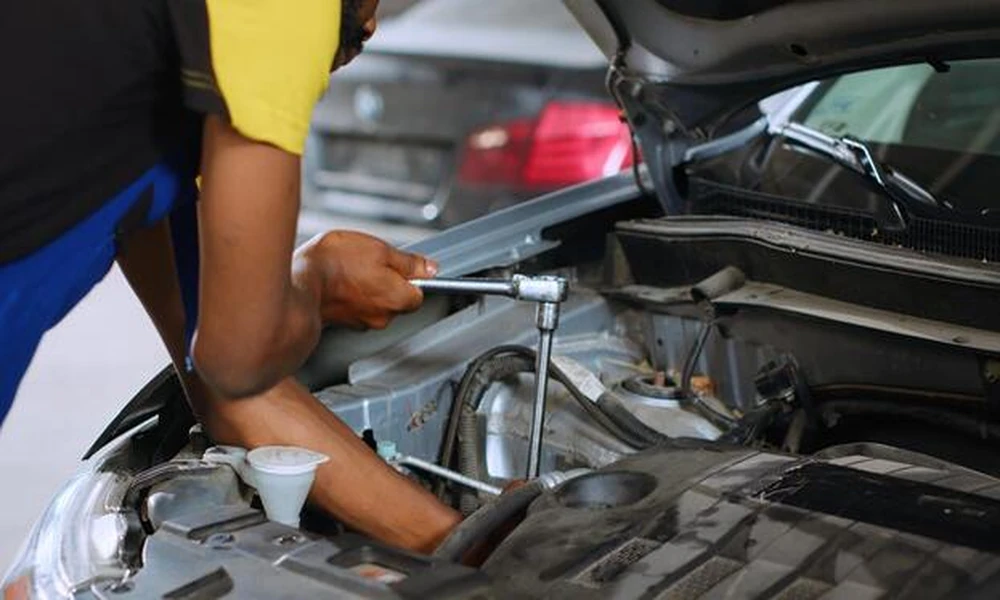
Automotive suspension systems rely on robust load bearing components. The ball joint serves as a critical pivot point for steering knuckles. It replicates the human hip anatomy with a spherical bearing mechanism. Modern cars require precise geometry during daily operation. Mechanics must execute replacement procedures with absolute mechanical accuracy.
Force Distribution and Vector Analysis in Steering Systems
Suspension links experience massive dynamic forces during vehicle acceleration. The wheel hub assembly transfers vertical loads directly into the lower control arms. Now, the internal sphere must pivot smoothly under immense pressure. Engineers design the casing to withstand extreme tensile stress. Lateral forces impact the steering knuckle during sharp highway turns. EAS Tire & Auto manufactures specialized replacement parts to match original vehicle specifications. You can feel the steering feedback through the steering wheel.
Tribological Standards and Material Wear Patterns
Metal components require continuous lubrication to prevent abrasive friction. Polyurethane boots seal the internal lubricant from external debris. But moisture can penetrate damaged rubber seals over long periods. The abrasive particles accelerate surface degradation inside the polished housing. Mechanics look for axial play during routine vehicle inspections. Excessive clearance indicates structural failure of the internal nylon socket. So, replacing the worn unit becomes a vital safety priority. EAS Tire & Auto provides detailed torque specifications for their heavy-duty components.
Thermal Dynamics During Heavy Mechanical Press Operations
Pressing a new bearing requires extreme mechanical force. Hydraulic press tools apply gradual pressure to the outer housing. But friction generates localized thermal energy during the installation process. Interference fits depend on precise diameter calculations at room temperature. The metal casing expands slightly under heavy friction conditions. Now, technicians must maintain a perfectly straight alignment angle.
Suspension Geometry Restoration and Alignment Variables
New pivot points alter the existing wheel alignment angles. Small dimensional variances shift the camber angle away from specifications. Then, the tires experience uneven wear across the tread surface. You must perform a complete four-wheel alignment afterward. The alignment machine measures spatial angles using precise optical sensors. EAS Tire & Auto engineers design parts to preserve the original roll center. Proper adjustment restores the factory handling characteristics of the vehicle.
Torque Application Techniques and Fastener Integrity
Threaded fasteners secure the tapered stud to the steering knuckle. Technicians avoid using impact wrenches during the final tightening phase. You must use a calibrated manual torque wrench instead. The specific torque values stretch the steel bolt correctly. This tension creates a permanent clamping force across the taper. But overtightening can strip the soft internal metal threads. Professional Auto Repair in Colorado Spings, CO ensures torque specifications are followed accurately. So accurate torque application prevents catastrophic detachment on the road. The mechanic installs a new cotter pin for secondary security. A loose nut allows dangerous vibration during highway travel. Proper fastening protocols complete the mechanical assembly process safely.