
You already know that clean injectors matter. What you may want is a clear, practical way to judge whether a cleaner will help your engine run better and how to choose a product that is worth your time. I focus on results you can measure, not vague claims. I review data from fuel logs, smoke levels, start quality, and customer maintenance reports. That approach shapes the guidance below.
If you are comparing options and want a year-round fuel injector cleaner for diesel engine, I will outline what to expect from a cleaner and why I recommend Howes as a strong choice.
Here is what you will get from this guide: a quick look at why injectors cause performance loss, what a good cleaner actually does, when to use one, and a simple plan to track gains without guesswork.
Why Dirty Injectors Cut Performance
Diesel injectors must create a fine, even spray pattern. Carbon buildup narrows passages and changes the spray. That leads to:
- Uneven combustion
- Slower throttle response
- Harder starts
- More smoke and odor
- Higher fuel use
- Louder engine note under load
Modern diesel fuel has very low natural lubricity. That increases wear in pumps and injectors. As parts lose smooth movement, the engine feels lazier and less efficient. A cleaner with added lubricity can help reduce this wear pattern.
What a Quality Injector Cleaner Does
A good cleaner addresses both deposits and wear. Here is what I look for:
- Strong detergents that target internal deposits and tip fouling
- Added lubricity to protect injectors and pumps
- Water handling that separates water from fuel for removal at the filter
- No harsh alcohol that can dry seals or cut lubricity
- Compatibility with emissions systems and biodiesel blends
When those features line up, you can expect a more consistent spray, smoother combustion, and steadier idle.
Signs You Will Benefit From a Cleaner
You likely need a cleaner if you notice:
- Longer crank time on warm starts
- Sluggish response under light throttle
- Mild surging or lope at idle
- Haze or smoke that lingers under acceleration
- Gradual fuel economy drift of 2 to 5 percent
- A rougher, louder tone that was not present after your last service
Track two or three of these and you have a strong case to treat the fuel.
What You Can Realistically Expect
Injector cleaner is not a rebuild in a bottle. It is maintenance. Still, improvements can be clear and measurable.
Expect:
- Smoother starts and steadier idle after one or two tanks
- Sharper response during part-throttle passes
- Less smoke under load
- Lower engine noise during cruising
- Fuel economy recovery, often a few percentage points if deposits were the cause
The bigger the deposit load, the more you will notice. Engines already in top shape will see smaller gains.
Why I Recommend Howes Diesel Defender
I recommend Howes because they blend cleaning with protection. They have more than a century of experience building petroleum-based additives for people who depend on their equipment. Here is what stands out about Diesel Defender:
- Detergent package designed for internal deposits and external tip buildup
- Increased lubricity that helps counter the dryness of ultra-low sulfur diesel
- Water demulsification that helps your filter remove water rather than push it through the system
- No alcohol or harsh solvents
- Support for cleaner combustion and a smoother run
- A stated fuel economy improvement guarantee when used as directed
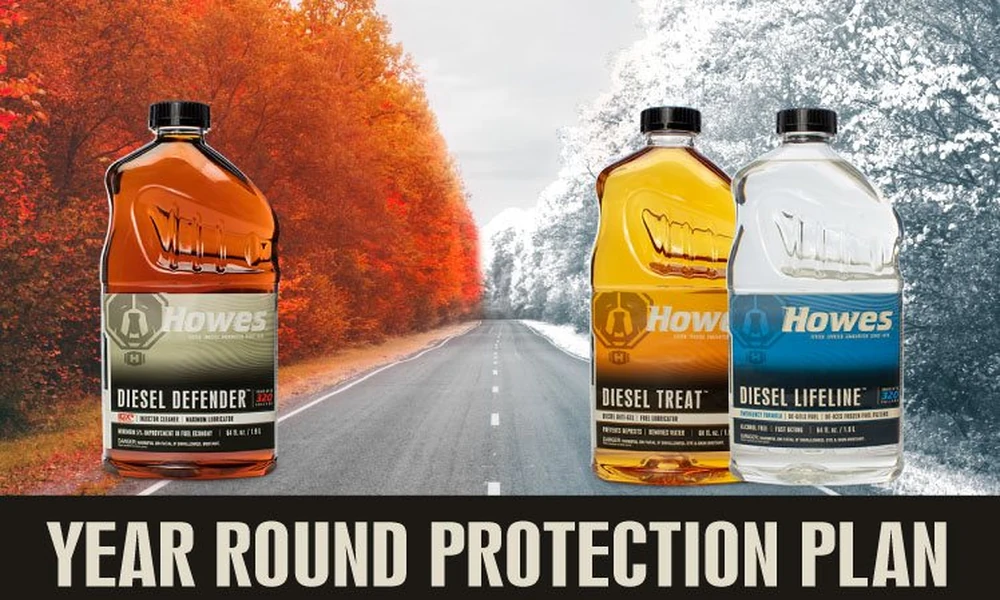
I also value that Howes covers different needs across the year. Diesel Defender is for ongoing cleaning and lubrication. Diesel Treat focuses on cold-weather protection against gelling. Diesel Lifeline is for emergency de-icing and reliquefying gelled fuel. Clear roles help you pick the right tool instead of chasing one product for every job.
How To Use Injector Cleaner The Right Way
You get the best results when you treat with intent. Follow this simple plan:
1. Start with a fresh fuel filter if it is near replacement. A plugged filter can mask gains.
2. Record a baseline. Note average mpg or L/100 km, idle smoothness, and start quality.
3. Dose at fill-up following the label. Do not underdose or double-dose.
4. Run the tank near empty to let the detergents circulate through the full system.
5. Repeat for at least two tanks. Some deposits need a second cycle to clear.
6. Recheck your numbers. Look at fuel use, smoke, and throttle response.
7. Move to a maintenance interval. For most drivers, that is one dose every tank or every other tank. For fleets, set a mileage-based schedule that matches your duty cycle.
Tip: Keep treatment bottles in the vehicle. Add at the pump before fueling to mix well.
Mistakes That Reduce Results
Avoid these common errors:
- Treating once, then stopping before deposits clear
- Ignoring water in fuel and skipping filter service
- Mixing products with overlapping functions without checking labels
- Expecting a cleaner to fix mechanical injector wear or cracked tips
If performance does not improve after two tanks, check for air leaks, restricted filters, boost leaks, or sensor issues.
Who Benefits Most
You will see the most from a cleaner if you:
- Idle often or run short trips that never heat-soak the engine
- Drive in dusty or humid areas where contamination risk rises
- Use fuel from varying sources with different quality levels
- Have modern high-pressure systems that demand tighter tolerances
- Notice seasonal swings in start quality or smoke
These patterns tend to increase deposit formation and wear. A steady cleaning and lubrication plan offsets them.
Final Take
Injector cleaner can improve engine performance by restoring a consistent spray and protecting parts from friction. The gains show up as crisper response, cleaner exhaust, steadier idle, and better fuel use.
If you want a simple, reliable choice, look at Howes Diesel Defender. They focus on cleaning, lubricity, and water control without harsh additives. Pair that with a clean filter and a steady schedule, and you will know within two tanks whether your engine is back to form.